

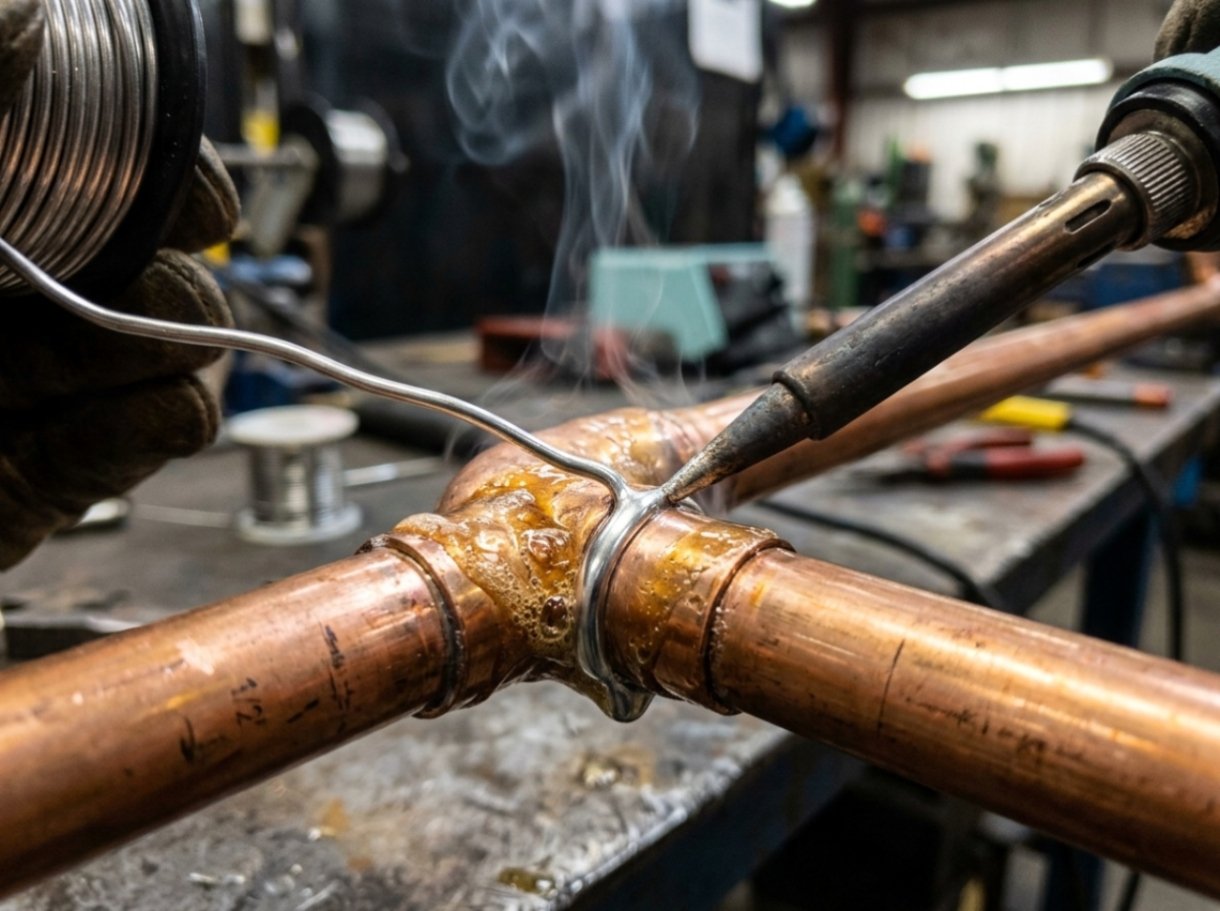
Industrial soldering failures cost manufacturers over $2 billion annually in product returns and warranty claims, with improper flux selection accounting for nearly 40% of these issues. Pinaflux is a specialized flux product used in soldering and brazing applications across multiple industries. Flux plays a critical role in creating strong, reliable metal joints, but many people don’t understand how different flux types work. You’ll learn what makes pinaflux unique, its applications, proper usage techniques, and how to choose the right flux for your specific projects.
What Is Pinaflux?
Pinaflux is a commercial flux product designed for specific soldering and brazing operations in professional settings. Flux is a chemical cleaning agent applied to metal surfaces before joining to remove oxidation and improve solder flow. Without flux, most soldering attempts fail because oxides prevent proper bonding between metals.
The basic composition of pinaflux includes active cleaning agents, carriers, and sometimes activators that enhance performance at specific temperatures. Different formulations exist for various metals and temperature ranges, making pinaflux adaptable to many industrial needs. The chemical properties allow it to clean surfaces more effectively than general purpose flux products while maintaining consistent performance.
Pinaflux serves three primary purposes in manufacturing and repair work. First, it removes surface oxides that prevent proper bonding between the base metal and solder. Second, it protects cleaned surfaces from re-oxidation during the heating process. Third, the flux improves wetting action so molten solder spreads evenly across the joint instead of beading up.
Electronics manufacturing, HVAC installation, plumbing, automotive repair, and metal fabrication shops all use specialized pinaflux formulations. Each application demands specific flux characteristics to achieve reliable results. A flux that works perfectly for circuit boards might fail completely on copper pipes or stainless steel.
How Pinaflux Works
The scientific process behind flux action during soldering is straightforward but essential to understand. When metal surfaces oxidize, they develop a layer that repels molten solder no matter how much heat you apply. Pinaflux contains active ingredients that chemically react with these oxides to remove them and expose clean metal.
When pinaflux is applied and heated, a specific sequence of events occurs. The flux melts first, flowing across the metal surface and making intimate contact. Active components attack oxide layers, breaking them down into compounds that either float away or dissolve into the flux itself. This cleaning action exposes pure metal that readily bonds with solder when it melts and flows.
Pinaflux also protects surfaces during the entire soldering process. After removing oxides, the molten flux forms a barrier coating that prevents oxygen from reaching the hot metal. This protection remains active until solder flows and solidifies, ensuring a clean bond throughout the operation. The barrier effect is why you must work quickly once flux activates.
Flux residue characteristics matter significantly after the joint cools. Some pinaflux formulations leave residues that must be cleaned after soldering to prevent corrosion or electrical problems. Others produce minimal residue that can safely remain on the finished joint. The residue type affects both immediate performance and long term reliability.
Types and Formulations of Pinaflux
Rosin Based Pinaflux
Rosin flux formulations derive from tree resin and offer mild cleaning action suitable for already clean metals. These products work by gentle chemical reaction rather than aggressive acid attack. Rosin based pinaflux leaves non-corrosive residues that often don’t require removal, making it popular for applications where cleaning is difficult. Electronics and precision soldering benefit from rosin flux because the gentle action prevents damage to sensitive components.
Water Soluble Pinaflux
Water soluble formulations provide stronger cleaning action than rosin types and handle moderately oxidized surfaces effectively. The active ingredients dissolve easily in water, which simplifies the cleaning process after soldering. Many manufacturers prefer water soluble pinaflux because simple water rinsing removes all residue without expensive solvents. This approach reduces chemical waste and environmental impact while ensuring completely clean finished products.
No Clean Pinaflux
No clean formulations leave minimal residue requiring no removal step. These products use carefully balanced chemistry that either burns off completely during soldering or leaves safe, inert residues. The time and labor savings from eliminating the cleaning step make no clean flux attractive for high volume production. Quality control becomes simpler without worrying about whether residue removal was thorough enough.
Acid Based Pinaflux
Aggressive acid flux formulations tackle heavily oxidized metals and stubborn corrosion. These products contain strong acids that rapidly remove thick oxide layers other flux types cannot handle. Acid based pinaflux works on difficult materials like stainless steel or when working with old, tarnished components salvaged from previous assemblies. Complete residue removal is absolutely critical because leftover acid flux causes severe corrosion that destroys joints over time.
Choosing the correct pinaflux type depends on your specific application requirements. Consider the base metal composition, current cleanliness level, operating temperature range, and whether residue removal is practical given your workflow and equipment.
Common Applications for Pinaflux
Electronics Manufacturing
Circuit board assembly relies on precise flux application to create thousands of reliable solder connections. Pinaflux formulations for electronics provide controlled activity that cleans copper traces without damaging sensitive components or leaving conductive residues. Automated soldering processes use specific flux types compatible with their wave soldering or reflow equipment and downstream cleaning systems.
HVAC and Refrigeration
Copper pipe joining for air conditioning and cooling systems demands flux that performs at brazing temperatures. Brazed joints in refrigeration lines must be perfectly clean to prevent refrigerant leaks and system contamination. Pinaflux products designed for HVAC work handle temperatures exceeding 1000 degrees while still protecting the joint and promoting good filler metal flow.
Plumbing Installation
Plumbers use flux when sweating copper pipes and fittings to create water systems. The flux ensures water tight joints that last decades without leaking or corroding. Different pinaflux formulations exist for potable water systems versus drain lines based on safety requirements and local building codes. Lead free solder mandates have also driven flux chemistry changes to work effectively with newer solder alloys.
Automotive Repair
Mechanics apply flux during radiator repair, exhaust system work, and electrical connection soldering. Automotive applications expose joints to vibration, temperature cycling, and corrosive environments. Pinaflux products for automotive use often prioritize strong cleaning power and ease of application since mechanics work in less controlled conditions than factory assembly lines.
How to Use Pinaflux Properly
Surface Preparation
Flux cannot replace proper mechanical cleaning of metal surfaces. Remove heavy dirt, grease, paint, and loose scale before applying pinaflux to the joint area. Use wire brushing, sandpaper, or abrasive pads for heavily oxidized surfaces that show visible corrosion or discoloration. Clean metal accepts flux better and allows the chemical action to focus on removing thin oxide films rather than fighting through contamination layers.
Application Methods
Different application methods work better depending on the pinaflux formulation and project requirements. Brush application suits plumbing and larger joints where precision matters less than complete coverage. Paste flux gets applied directly to fitting surfaces with a small stick or your finger. Liquid flux can be brushed on, sprayed through specialized equipment, or applied with automated dispensing systems for production work.
Proper Amount
Using the right flux quantity significantly affects joint quality. Too little pinaflux fails to adequately clean and protect all the metal surfaces being joined. Excess flux creates messy residue, may trap voids in the solder, and interferes with proper flow patterns. Apply a thin, even coating that covers all surfaces to be joined without building up thick layers that waste material.
Heating Technique
Proper heat control makes the difference between success and failure when working with pinaflux. Apply heat gradually to allow flux time to melt, flow, and clean surfaces before solder melts. Watch for the flux to become liquid and bubble slightly, which indicates the metal is approaching soldering temperature. Overheating burns off flux protection before solder can flow, leading to poor wetting and weak joints full of oxides.
Timing Considerations
Pinaflux has a limited active life once applied and heated to working temperature. The protective barrier breaks down with prolonged heating, and cleaned surfaces begin re-oxidizing. Work efficiently to apply solder while flux protection remains fully effective. Reapply fresh flux if you need to reheat a joint for rework or if too much time passes during complex assembly operations.
Safety and Handling
Important safety considerations apply when working with pinaflux products in any setting. Many formulations contain chemicals that irritate skin, eyes, and respiratory systems through direct contact or fume exposure. Always read product safety data sheets before first use and follow all manufacturer recommendations regarding protective equipment. Simple precautions prevent most problems.
Proper ventilation requirements during soldering with flux protect your health. Heating flux produces fumes containing various chemicals that should not be inhaled repeatedly. Work in well ventilated areas with good air circulation or use local exhaust ventilation to capture and remove fumes from your breathing zone. Respirators may be necessary for extended production work or when using particularly active flux formulations in confined spaces.
Storage and disposal requirements vary by pinaflux type and local regulations. Keep containers tightly sealed to prevent contamination from moisture and evaporation of volatile components. Store away from extreme temperatures and incompatible materials that might react with flux chemicals. Dispose of waste flux and contaminated materials according to local hazardous waste regulations since some formulations contain substances requiring special handling.
Conclusion
Pinaflux is a specialized product that significantly improves soldering and brazing results when selected and used correctly. Choosing the appropriate flux type for your application directly affects joint quality, production efficiency, and long term reliability. The small cost difference between flux types becomes irrelevant when you consider the expense of failed joints and product returns.
While flux seems like a simple product that anyone can use, understanding its chemistry and proper application techniques makes a real difference in outcomes. The wrong flux choice causes weak joints prone to failure. Improper application leads to cold solder joints, corrosion, and product failures that cost far more than investing in the right materials and developing good techniques.
Success with pinaflux comes from matching the product to your metals, temperatures, and process requirements. Take time to understand what each flux type does well and where it falls short. Your results will improve immediately when you use the right flux correctly.
Review your current soldering projects and match them against the pinaflux types described in this article. Test different formulations on scrap materials to see which produces the best wetting, cleanest joints, and easiest workflow for your specific metals and processes. Consult with flux manufacturers about technical support and product recommendations for challenging applications. Most suppliers offer free samples and application guidance that helps you optimize results without expensive trial and error.