

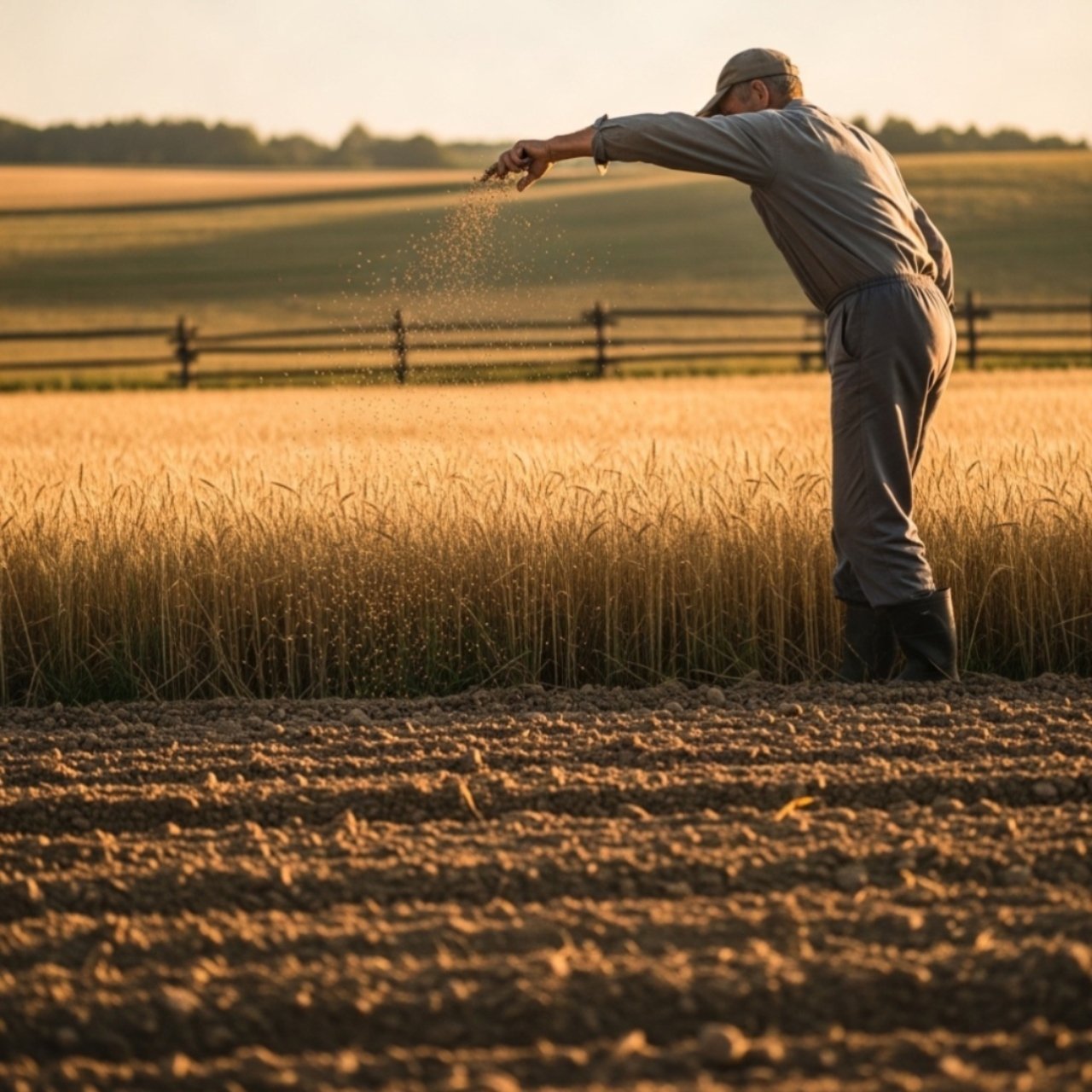
Over 60% of small scale farmers in developing countries still use simbramento as their primary planting method because it requires minimal equipment and delivers reliable results. This traditional agricultural practice involves scattering seeds across prepared soil rather than planting them in precise rows. For thousands of years, farmers have relied on this technique to grow crops efficiently with basic tools. You’ll discover how simbramento saves money, reduces planting time, and when it works best for your crops.
What Is Simbramento?
Simbramento is a broadcasting method where farmers distribute seeds evenly across a field by hand or with simple tools. Unlike row planting where seeds are placed at exact intervals, this technique covers the entire soil surface with scattered seeds. The word comes from Portuguese and Spanish speaking agricultural communities where the practice remains common today.
The process starts with proper land preparation. Farmers create a smooth, level seedbed free of large clods and debris. They then walk across the field making sweeping motions with their arms to throw seeds in wide arcs. The goal is achieving even coverage so every part of the field receives roughly the same seed density. After broadcasting, some farmers lightly rake soil over the seeds while others let rain naturally cover them.
Experienced farmers develop an intuitive sense for the right amount of seed per area. They adjust their walking speed and hand motions to maintain consistency. This skill takes practice but becomes second nature over time.
Certain crops respond especially well to simbramento. Rice in flooded paddies, wheat, barley, oats, and various grasses grow successfully from broadcast seeding. These crops naturally compete well with neighbors and don’t require precise spacing. Cover crops and forage mixes also work perfectly with this method since uniformity matters less than quick establishment.
The History Behind Simbramento
Ancient farmers pioneered this planting method out of necessity rather than choice. Without machinery or precision tools, broadcasting seeds by hand was the most practical way to plant large areas quickly. Archaeological evidence shows civilizations across multiple continents using similar techniques thousands of years ago.
Asian rice farmers perfected simbramento for paddy field conditions. The combination of broadcast seeding and controlled flooding created efficient rice production systems that fed entire empires. Mediterranean farmers applied the same principles to wheat and barley, establishing the grain production that built ancient Rome and Greece.
Each region adapted the basic technique to local conditions and crop types. African farmers broadcast millet and sorghum. European farmers used it for small grains and pasture establishment. The method proved so effective that it spread naturally through agricultural communities worldwide.
Modern farming brought tractors, seed drills, and GPS guided planters, yet simbramento persists. Small landholders, organic farmers, and those in remote areas still rely on this technique daily. It solves real problems for people who cannot afford expensive equipment or work land unsuitable for machinery.
Key Benefits of Using Simbramento
Lower Equipment Costs
This method eliminates the need for expensive seed drills or planting machinery. Your only investment is seeds and perhaps a simple hand cranked broadcaster costing less than fifty dollars. This makes farming accessible to people with limited capital and removes the burden of equipment maintenance and fuel costs.
Faster Planting Times
Broadcasting seeds covers ground much faster than row planting. A single person can plant several acres in a day depending on crop type and field conditions. This speed becomes critical when weather windows close quickly or labor availability is limited. You can take advantage of ideal soil moisture without waiting for equipment or additional workers.
Natural Weed Suppression
Dense seed coverage creates crop competition that naturally reduces weed growth. When plants germinate thickly, they shade the soil and occupy space that weeds would otherwise claim. This thick stand reduces your need for herbicides or hours spent hand weeding. The crops essentially do the weed control work for you through competition.
Flexibility for Difficult Terrain
Simbramento works well on irregular or sloped land where machinery cannot operate safely. You can broadcast seeds on hillsides, small terraces, or oddly shaped plots that would be impossible to plant in rows. This opens up productive use of land that might otherwise sit idle.
Soil Protection Benefits
Hand broadcasting causes zero soil compaction compared to heavy tractors and planters. The absence of equipment traffic preserves soil structure, protects beneficial organisms, and reduces erosion risk. Quick crop establishment from broadcast seeding also shields bare soil from damaging rain impact and wind.
Common Challenges and Limitations
Uneven Germination
The main drawback of hand broadcasting is inconsistent seed distribution. Some areas inevitably receive too many seeds while others get too few. This creates patchy crop stands with thick spots and bare spots in the same field. Your yields suffer when coverage is uneven, though skill and practice significantly reduce this problem.
Seed Waste Issues
Simbramento typically requires 20 to 30 percent more seed than precision planting. Not all broadcast seeds land in ideal locations or make good soil contact for germination. Birds and small animals easily find and eat exposed seeds before they sprout. This extra seed cost must be factored into your planting budget and may offset some equipment savings.
Difficult Weed Management
While dense crops suppress weeds initially, the random plant spacing makes mechanical cultivation impossible. You cannot run hoes or cultivators between plants like you can with organized rows. Weed control depends entirely on crop competition, hand pulling, mulching, or chemical methods. Later season weeds that emerge after the crop canopy closes become particularly challenging.
Harvesting Complications
Crops planted via simbramento can be harder to harvest mechanically. The irregular plant spacing and potential for lodging creates problems for combine harvesters designed for uniform row crops. You may need to adjust equipment settings or accept lower harvesting efficiency compared to conventionally planted fields.
Best Practices for Successful Simbramento
Proper Soil Preparation
Creating a fine, level seedbed before broadcasting is absolutely critical. Break up all large soil clods and remove rocks, sticks, and other debris. Use a rake or light harrow to create a smooth surface. Better soil preparation directly improves seed to soil contact and dramatically increases germination rates.
Calculate Seed Rates Correctly
Determining how much seed to use per acre requires some math and experience. Rates vary by crop type, seed size, and expected germination percentage. Start with recommended seeding rates for your crop, then increase by 25 percent to account for broadcasting inefficiency. Test small areas first to calibrate your amounts before planting entire fields.
Master the Broadcasting Technique
Proper hand motions ensure even distribution across your field. Walk at a steady, consistent pace while making smooth arm swings from side to side. Some farmers divide fields into sections and broadcast each separately to guarantee complete coverage. Simple hand cranked broadcasters cost less than expensive equipment but greatly improve consistency compared to throwing seeds by hand alone.
Timing Considerations
Plant when soil moisture is adequate for immediate germination. Broadcasting into dry soil often results in failure because seeds need moisture contact within days of planting. Timing your seeding just before expected rain or during periods of good soil moisture gives you the best chance of success. Monitor weather forecasts carefully and be ready to plant quickly when conditions align.
Post Planting Care
Light raking after broadcasting helps cover seeds and improves soil contact. Some farmers use a roller or drag to press seeds firmly into the ground. Protect newly planted areas from birds using simple scare tactics, reflective tape, or netting for high value crops. Monitor germination closely over the following weeks and consider replanting any large bare spots if needed.
Simbramento vs Modern Planting Methods
Precision planting with modern equipment offers clear advantages in many situations. Seed drills place each seed at the optimal depth and spacing, which reduces seed costs and improves germination uniformity. Row crops allow mechanical cultivation for weed control and make harvesting more efficient. Modern methods typically produce higher yields per seed planted and better overall crop quality.
However, simbramento remains the better choice in specific circumstances. Small farms under five acres often cannot justify purchasing expensive planting equipment that costs thousands of dollars. Organic operations appreciate the low technology approach that aligns with their farming philosophy. Farmers growing cover crops or forage prioritize planting speed and simplicity over precision since these crops don’t require perfect stands.
Many successful farmers use both methods strategically based on the situation. They might broadcast cover crops to save time and money but use a precision planter for valuable cash crops like corn or soybeans. This hybrid approach combines the benefits of each technique and optimizes resources.
Conclusion
Simbramento remains a proven planting method with specific advantages that keep it relevant today. The low cost, planting speed, and simplicity make it practical for certain situations and crop types. Farmers working small plots, growing cover crops, or managing difficult terrain find this traditional technique solves their problems effectively.
The method has real limitations including seed waste, uneven germination, and harvesting challenges. Being honest about these drawbacks helps you make informed decisions about when to use simbramento versus other planting methods. Skilled practitioners who understand their crops, prepare soil properly, and apply the technique with care consistently achieve excellent results.
Success with simbramento comes down to matching the method to appropriate crops and conditions. Don’t expect it to work for everything, but recognize situations where it excels. The technique has survived thousands of years because it works when applied correctly.
Consider testing simbramento this season on a cover crop or forage plot. Track your results carefully and compare germination rates, costs, and labor time against your usual planting methods. Share your experiences with other farmers in your community to help preserve this valuable agricultural knowledge. Start small, learn the skills, and expand as your confidence grows.